✓
Clear findings, not vague guesses
You receive a summary of observed conditions, where they were found, and why the area is at risk from a leak, seepage, condensation, or ventilation problem.
Serving Cincinnati, Ohio & surrounding areas
Get a clear, documented assessment of suspected mold and moisture conditions, with findings that support repair decisions and mold removal in Cincinnati when needed.
Call Now 513-951-7257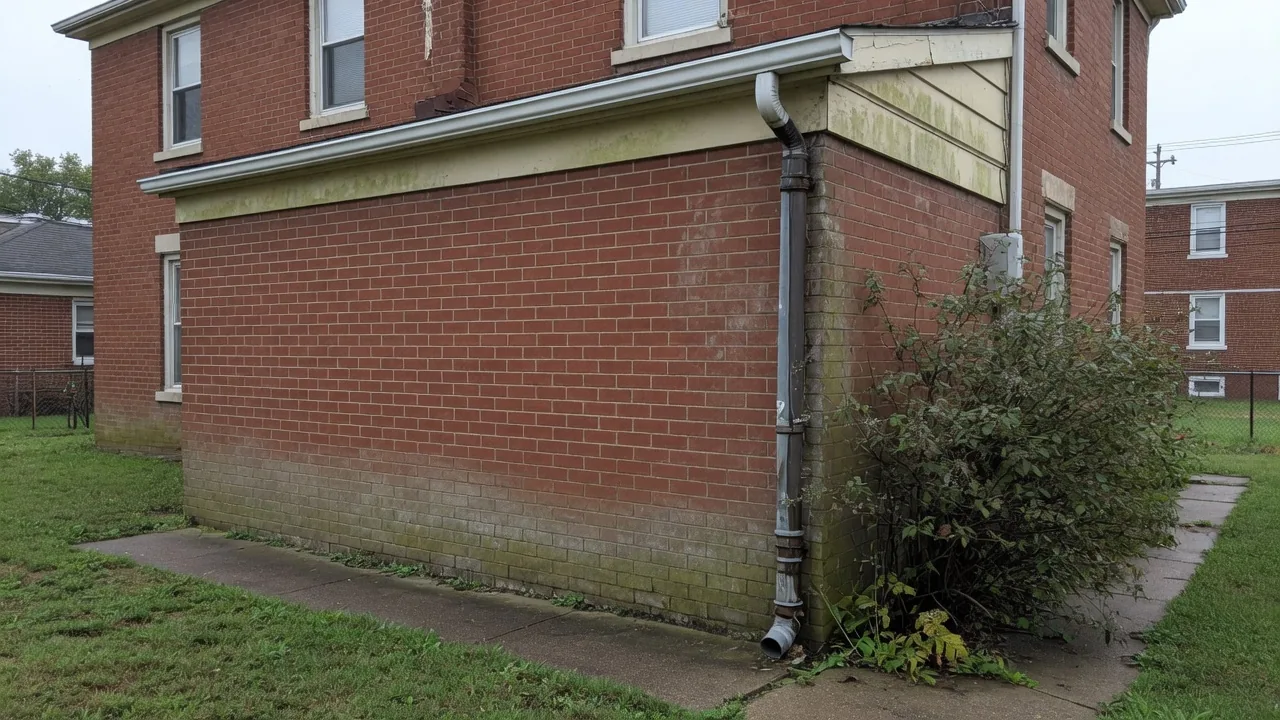
Know what you are dealing with
If you are searching for mold inspection Cincinnati homeowners can rely on, you probably have one of two problems: you see something suspicious—spots, staining, or fuzzy growth—or you smell something you cannot explain. A proper inspection identifies where moisture is coming from, whether growth appears active or old, how far conditions may extend, and what should happen next.
A mold inspection is not the same as a quick look around. In Cincinnati homes, moisture problems often trace back to humid summers, wet basements after heavy rain, condensation on cool surfaces, plumbing leaks inside walls, or poorly ventilated bathrooms. The goal is to document conditions and give you a defensible plan.
You will typically want an inspection when:
Mold Removal Cincinnati provides practical inspection reporting. If additional work is needed, you will know what to address first: the moisture source, affected materials, and an appropriate containment approach.
Inspection and removal scope
A thorough inspection blends visual investigation with moisture and building-condition checks. We focus on where mold can grow and why it is growing there, then document what we find.
Typical inspection components include:
If sampling is appropriate, we explain why and what it can and cannot establish. Sampling may help evaluate discoloration or clarify a decision, but it is not always required before correcting a moisture problem.
Inspection clarifies the scope before major remediation decisions are made.
Useful findings for real decisions
You receive a summary of observed conditions, where they were found, and why the area is at risk from a leak, seepage, condensation, or ventilation problem.
Mold follows moisture. We prioritize damp materials and likely sources so repairs solve the cause, not only the symptom.
You leave with a plan for what should be dried, what may need removal, and what to fix to reduce recurrence.
Photos and notes help you coordinate with repair contractors or communicate clearly during a property sale.
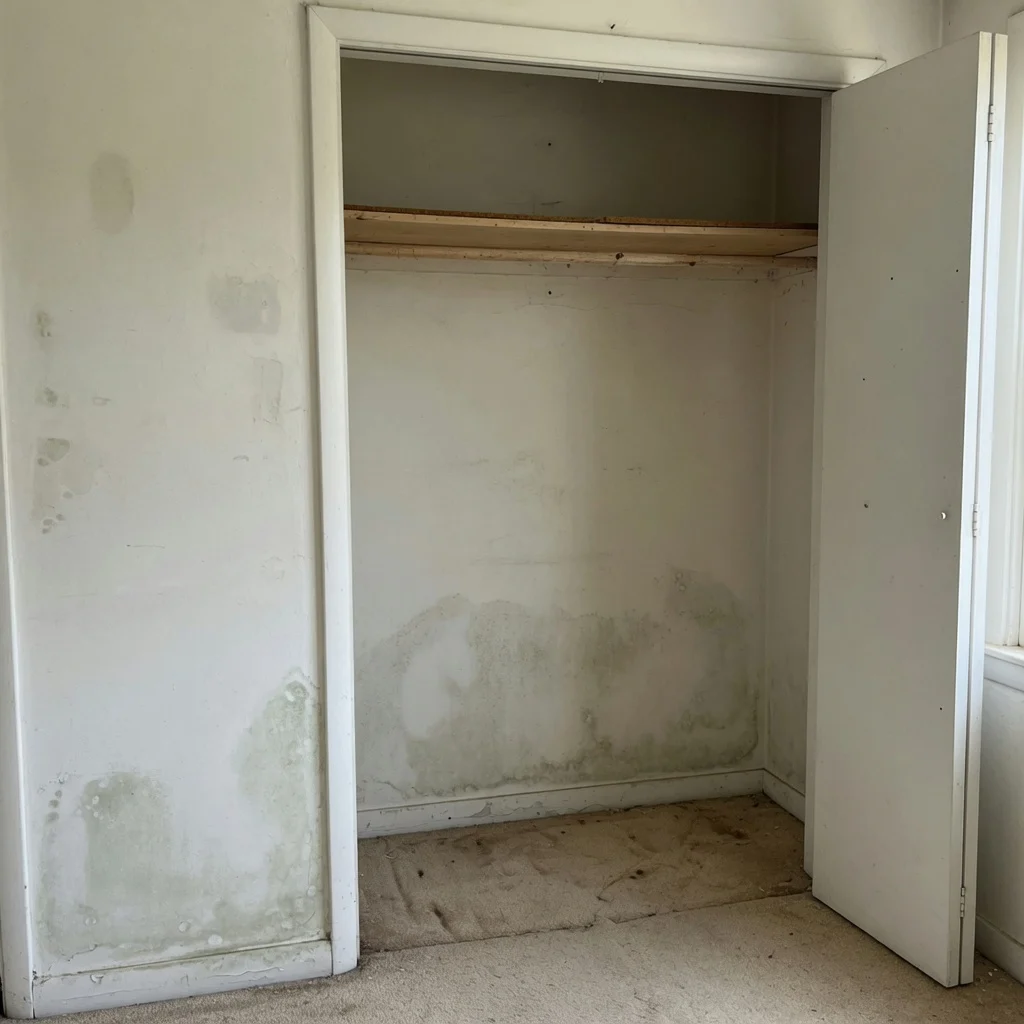
We check commonly missed areas behind stored items, inside exterior-wall closets, around HVAC returns, and near past repairs.
From concern to a written plan
We start by hearing what you have noticed: odors, visible spotting, recent leaks, humidity issues, or areas that worsen after rain. That context helps target the inspection.
We inspect suspected areas and nearby rooms, then take moisture readings where appropriate. Common high-risk areas include basements, bathrooms, laundry spaces, windows, and exterior walls.
If sampling is justified, we explain its purpose and limitations before proceeding. Many situations can be evaluated from conditions and moisture findings without sampling.
You receive a plain-language summary, moisture-source corrections, drying recommendations, and the likely scope of removal when needed.
After repairs or cleanup, a follow-up visit can confirm that the area is dry and conditions have returned to normal for the space.
Cincinnati pricing guidance
Mold inspection in Cincinnati typically ranges from about $250 to $650 for most homes, depending on size, how many areas need evaluation, and whether sampling is included. A small, single-area assessment is often on the lower end, while larger homes or multi-area investigations trend higher.
Final cost depends on access, including finished basements or tight crawlspaces, how much moisture mapping is needed, and whether lab testing is requested. The exact price is confirmed at the inspection once the scope is clear.
Practical answers
Most mold inspections take about 60 to 120 minutes, depending on home size and how many areas are affected. A single problem spot may move quickly, while a basement plus multiple rooms, attic access, or detailed moisture mapping will take longer.
You do not always need testing. Many situations can be addressed based on visible growth, moisture readings, and building conditions. Testing can help when additional documentation is needed, odors persist without obvious growth, or suspected mold must be distinguished from another stain.
Yes. We can begin non-destructively by checking moisture patterns, odor pathways, surface conditions, baseboards, and exterior walls. If findings point to hidden moisture behind finishes, we explain options for confirmation, which may involve selective opening by a qualified contractor.
Make sure concerned areas are accessible, especially around HVAC equipment, under sinks, and along basement walls. If possible, avoid heavy cleaning with bleach or strong disinfectants immediately before the visit because it can mask useful surface evidence and odors.
Yes. The inspection prioritizes where moisture is entering or forming, which materials remain damp, and which repairs matter most. Typical first steps include stopping leaks or seepage, improving ventilation or dehumidification, and drying wet materials promptly.
Mold inspection is commonly requested during real estate due diligence because it documents conditions in specific areas. Share your timeline up front so scheduling, reporting, and what can realistically be confirmed within the available window can be discussed.
If you have a musty smell, recent water issue, or visible spotting, a professional inspection is the fastest way to replace uncertainty with a written scope and a practical plan.
Call Now 513-951-7257Tell us what you are seeing—or smelling—and where it is happening in your Cincinnati home. We will schedule an inspection, document the conditions, and explain what to address first so you can move forward with confidence.