✓
Air sampling (indoor and outdoor baseline)
Collects airborne spores using a calibrated pump and spore trap cassette. The outdoor sample matters because it gives context for what is normal that day in Cincinnati.
Serving Cincinnati, Ohio & surrounding areas
Get fast documentation when moisture or mold may affect drywall, framing, subfloor, joists, insulation or finishes. We inspect the structure, target useful samples and explain what the findings mean for mold removal and remediation in Cincinnati, repairs and property timelines.
Call Now 513-951-7257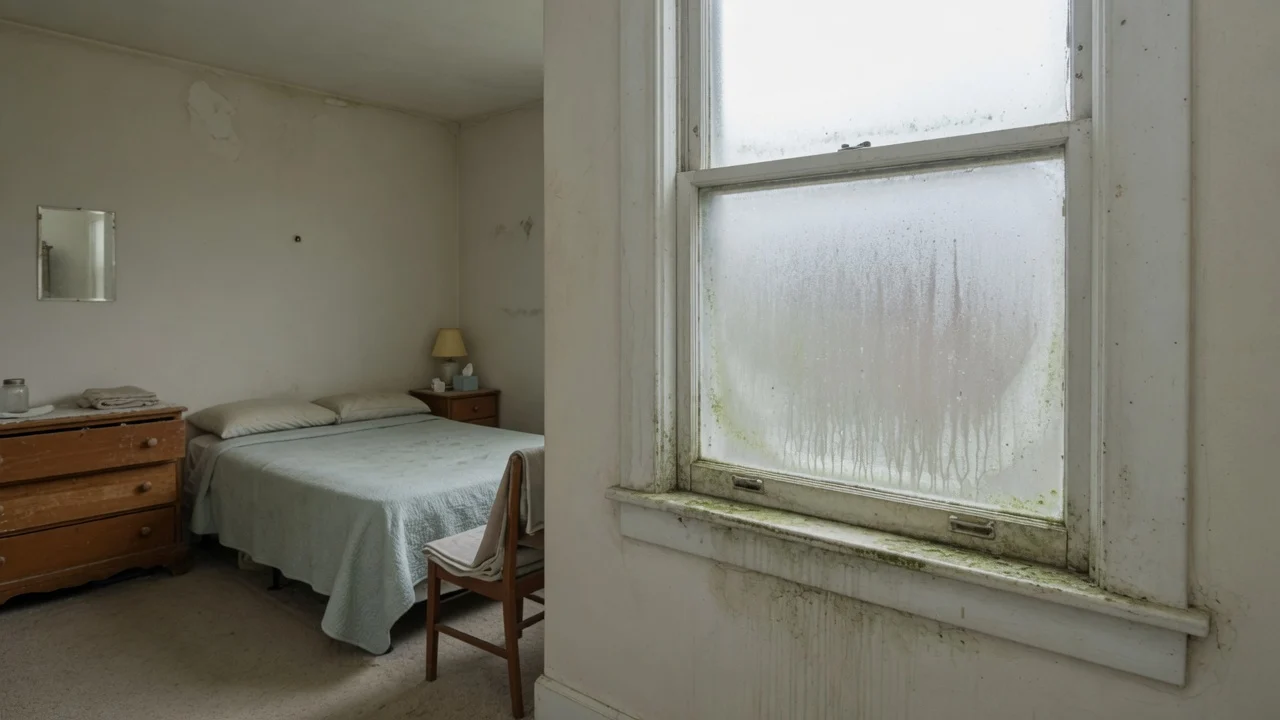
Testing with a purpose
Mold testing is most useful when a leak or inspection finding could affect a property decision. Landlords may need a defined scope while tenants remain in place or before a rental turnover. Sellers may need documentation before listing or closing, and buyers may need to understand mold flagged during a home inspection.
Testing is not always needed when visible damage already makes removal the clear next step. Its value is in locating concealed moisture, identifying affected materials and creating written findings that support decisions about opening drywall, lifting flooring or removing insulation.
If cleanup is already certain, move quickly into remediation planning so ongoing moisture does not spread damage through framing, subfloor, joists, insulation and adjacent finishes.
Inspection and removal scope
A mold inspection Cincinnati residents can rely on starts with the building, not the lab. Mold grows where moisture persists, so we begin by mapping likely moisture pathways and conditions, then we choose sampling locations that match the story the house is telling.
Common inspection checkpoints
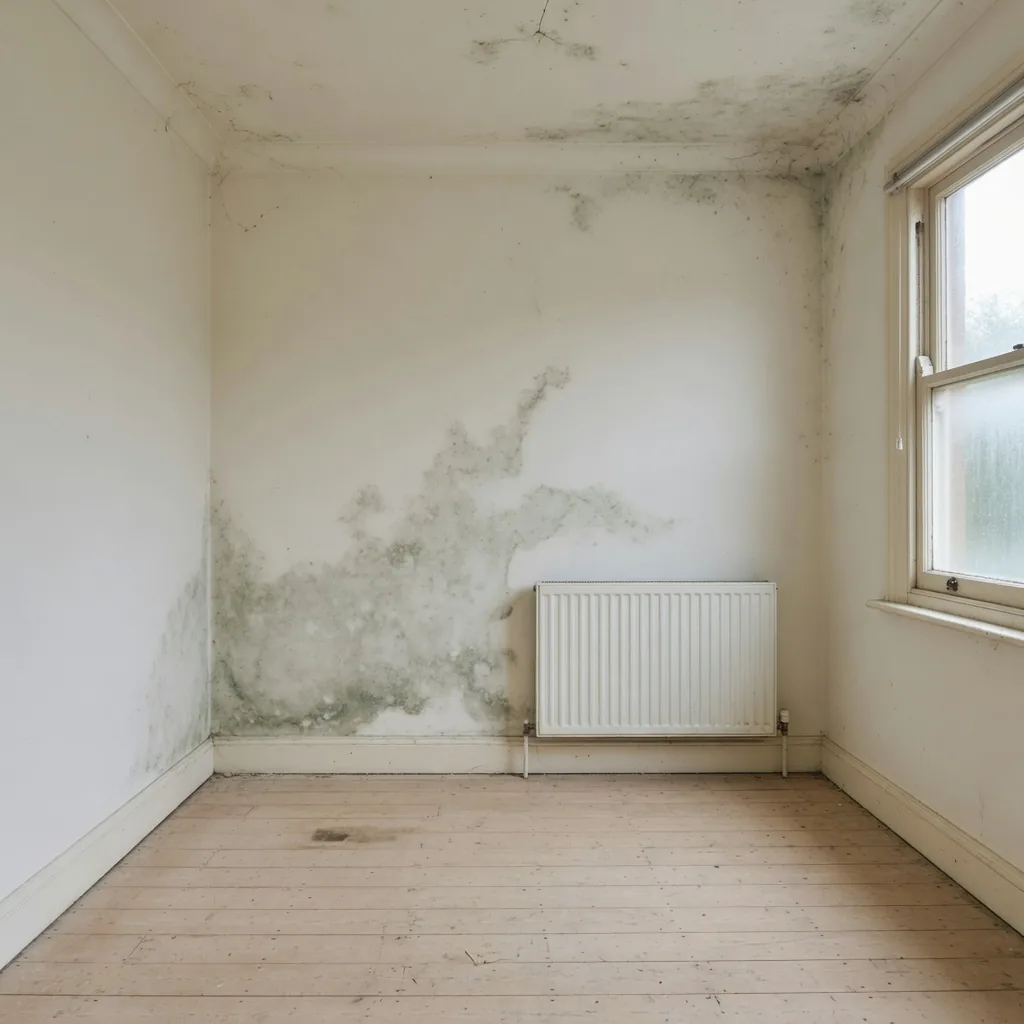
Cincinnati's humid summers and shoulder-season temperature swings can drive condensation in poorly ventilated areas, and older housing stock can include finished basements or additions where air sealing and drainage were never modernized. In neighborhoods with many pre-war homes, the inspection often focuses on basements, plaster walls, and long-running roof or gutter issues that may have been patched repeatedly instead of corrected.
We use tools appropriate to the problem—visual assessment, moisture meter readings, and thermal imaging when it helps locate damp building materials. Then we decide whether air sampling, surface sampling, or both will answer the question you actually have.
Targeted testing and documentation
Collects airborne spores using a calibrated pump and spore trap cassette. The outdoor sample matters because it gives context for what is normal that day in Cincinnati.
Tape lift or swab sampling helps confirm what is growing on a visible spot and can support a targeted cleanup plan for that material.
Used when mold is suspected inside a wall, under flooring, or in a concealed space. The goal is to validate whether hidden growth is likely before opening finishes.
Not a lab test, but often the most useful part of the visit. Moisture readings and conditions documentation help connect the lab result to a fixable cause.
You get a plain-language explanation of where samples were taken, what the lab found, and what that means for next steps.
From concern to clear next steps
We start with the water event, visible damage, affected materials and deadlines. Tenant access, rental turnovers, listings, buyer inspections and closing dates help determine where sampling is useful.
We inspect the affected areas and the likely moisture source. We document conditions such as staining, ventilation issues, and damp materials so the results connect to the building, not just the lab report.
If sampling is warranted, we collect the right type of sample and the right number of samples. For air testing, we typically include an outdoor control sample for comparison.
Samples are sent to a qualified lab for analysis. Turnaround varies by lab volume and the sample type, and we will set expectations at the visit.
We explain what the findings mean in practical terms and outline next steps. If cleanup is needed, we discuss appropriate containment, drying, and post-cleanup verification options.
Cincinnati pricing guidance
Mold testing in Cincinnati typically runs about $250 to $650 for an inspection with a limited number of samples, while larger homes or situations needing multiple air and surface samples often land around $650 to $1,200+. Price depends on how many areas need sampling, whether an outdoor baseline sample is included, access to attics or crawl spaces, and how much moisture investigation is required. The exact cost is confirmed at the inspection after the sampling plan is set.
Call Now 513-951-7257If you are dealing with a persistent odor, a recent water event, or visible growth that keeps returning, scheduling a professional mold test in Cincinnati is the fastest way to get a clear scope and avoid paying for the wrong fix.
Call Now 513-951-7257Practical answers
If water reached drywall, insulation, subflooring, or a basement wall, an inspection is smart even if the surface looks dry. Building materials can hold moisture where you cannot see it, and mold can begin growing in concealed spaces when drying was incomplete.
A mold test can include air sampling, surface sampling, or a combination depending on the question you are trying to answer. Air samples help compare indoor conditions to an outdoor baseline, while surface samples help identify what is on a visible spot so cleanup can match the material and extent.
Most lab results are returned within a few business days, depending on the lab and the sample type. We set expectations at the inspection and review what the results mean as soon as they arrive so you can decide on next steps.
Testing can support that conclusion, but it is rarely a simple yes or no. A combination of moisture readings, inspection clues such as odor patterns, staining, and swelling, and targeted sampling can indicate whether opening a wall or ceiling is justified.
Testing and moisture mapping can help connect findings to drywall, framing, subfloor, insulation or concealed cavities. The removal scope also depends on what is visible when assemblies are opened.
Mold testing is not automatically required, but it is sometimes requested when there is a known water history, visible staining, or a buyer wants documentation before closing. In real estate situations, the most helpful deliverable is a clear report that ties observations, sample locations, and lab findings together.
At-home kits can be misleading because they often capture normal background spores without context, and they rarely include an outdoor baseline for comparison. A professional inspection is usually the better first step when you need answers you can act on, especially with odors, recurring growth, or hidden moisture concerns.
If results and conditions point to a mold problem, the next step is to address moisture first, then plan cleanup with proper containment and material-specific methods. If you move forward with professional work, post-cleanup verification can confirm that the area was cleaned and dried appropriately.
Tell us what the home inspection flagged, which materials are affected and whether tenants, a turnover, a listing or a closing date create a deadline. We will recommend the next inspection step.