✓
Basements and crawlspaces
Damp concrete walls, seepage after heavy rain, and humid summer air can keep lower levels wet enough for growth on framing, stored items, and finished basement materials.
Serving Cincinnati, Ohio & surrounding areas
If you see staining or have had a recent leak, Mold Removal Cincinnati can connect you with a clear plan for inspection, containment, removal and moisture-source correction.
Call Now 513-951-7257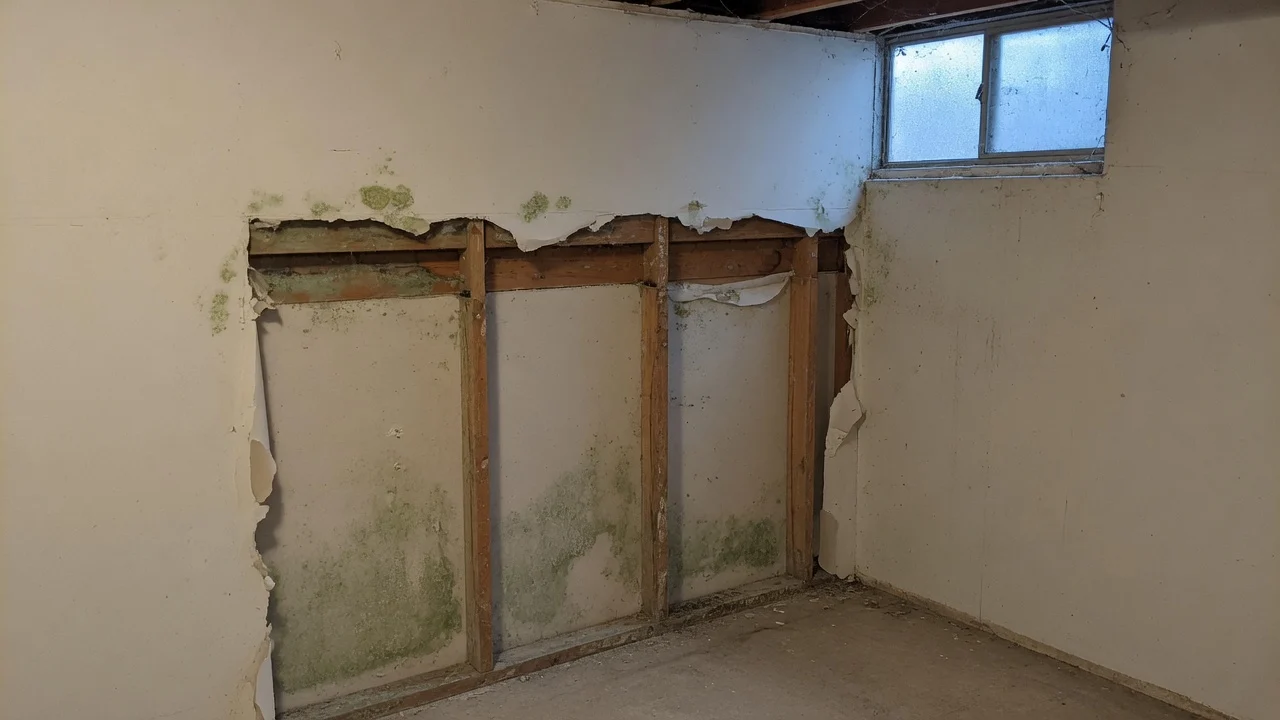
Source control comes first
Cincinnati mold remediation usually starts with one simple truth: mold keeps coming back when moisture is still present. Ohio River humidity, wet basements, and older building assemblies can all create the kind of damp conditions mold needs. The right fix is a controlled process that removes contaminated materials where needed, cleans what can be cleaned, and corrects the conditions that let mold grow.
Mold Removal Cincinnati handles residential and commercial mold remediation in Cincinnati, OH. You get a written scope, clear containment steps, and practical guidance on what to do before and after work—what to move, what to avoid disturbing, and how to keep the area dry.
If you are looking for a quick overview of how we approach mold remediation and what to expect when you reach out, mold removal in Cincinnati is explained in plain language.
Inspection and removal scope
A proper remediation plan is built around two goals: stop mold spores from spreading during work, and remove or clean impacted building materials based on what they are and how far growth has penetrated.
Common elements of a professional mold remediation scope include:
If someone proposes a “spray and go” approach without containment or a plan to address moisture, that is a recipe for recurring issues, especially in basements and lower levels.
Cincinnati property conditions
Damp concrete walls, seepage after heavy rain, and humid summer air can keep lower levels wet enough for growth on framing, stored items, and finished basement materials.
Poor exhaust, hidden plumbing leaks, and condensation around cold water lines can feed mold behind vanities, drywall, and baseboards.
Inadequate ventilation and insulation gaps can cause condensation on sheathing, especially when warm indoor air reaches cold roof surfaces.
Dirty coils, wet drain pans, and duct dust can contribute to odors and spore movement; remediation focuses on actual moisture and contamination points, not masking smell.
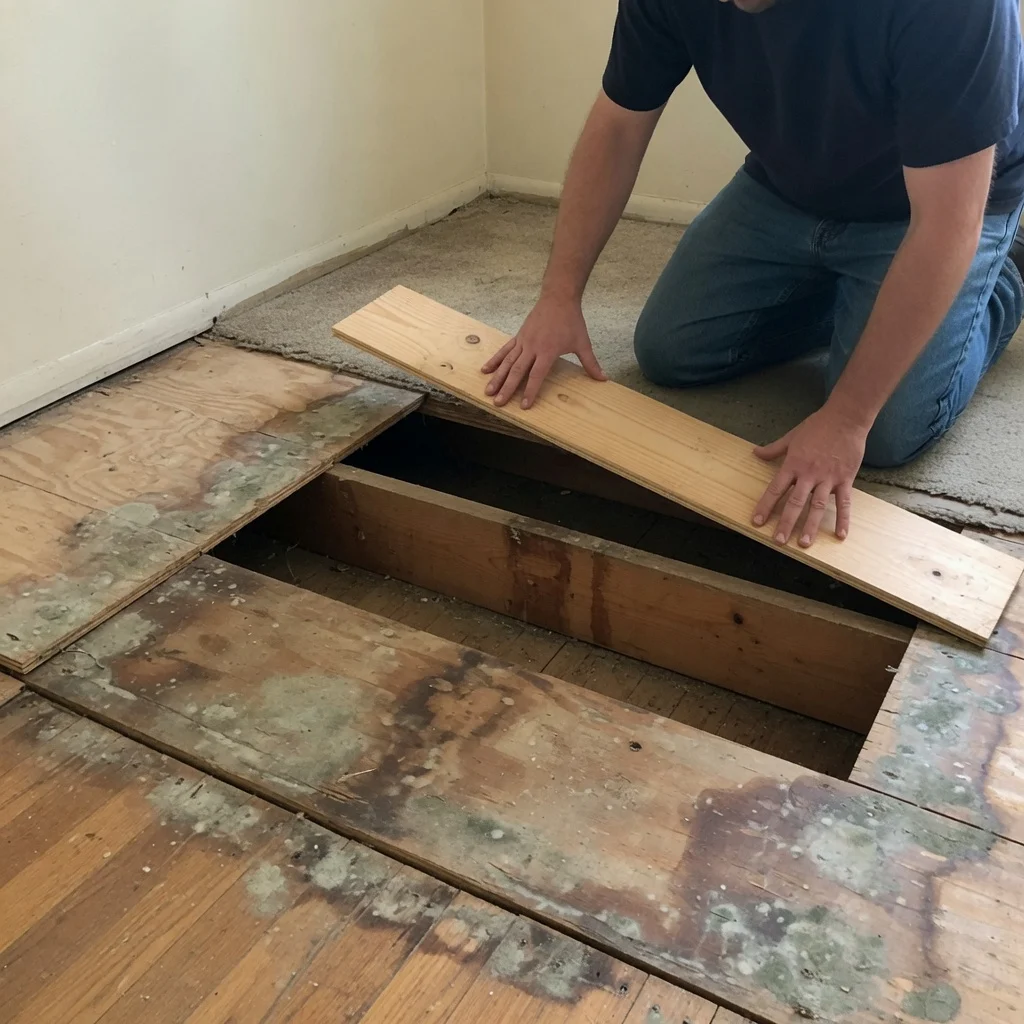
If drywall, insulation, or flooring stayed wet too long after a leak or backup, mold can start inside assemblies where it is not visible.
From inspection to final guidance
We start with what you can see and smell, then check likely moisture pathways—plumbing, exterior walls, basements, and ventilation. You get a straightforward plan for what needs to be contained, removed, cleaned, and dried.
We isolate the work area with plastic barriers and set air filtration so disturbed spores are less likely to migrate into clean rooms. This is critical in finished spaces or near return air.
Porous, impacted materials are removed and bagged for disposal. Remaining structures and surfaces are HEPA vacuumed and cleaned with methods appropriate to each substrate.
Remediation is tied to dryness. We confirm practical next steps to keep materials dry, including possible ventilation changes, dehumidification, or repairs to the intrusion source.
We walk through the results and outline what to do before rebuilding or repainting, including how long to control humidity and what signs would justify a follow-up.
Cincinnati pricing guidance
Most Cincinnati mold remediation projects typically range from about $1,500 to $6,000, with small, contained areas sometimes closer to $800 to $1,500 and larger multi-room or attic/basement projects reaching $8,000+ depending on removal and rebuild needs.
The final price depends on the size of the affected area, whether porous materials must be removed, how hard the space is to access, the containment level required, and how much drying or moisture correction is needed. Exact pricing is confirmed after an on-site inspection and written scope.
If you are seeing visible growth or have had a recent leak, it is worth getting an assessment before you clean, demo, or paint. A clear scope up front helps prevent cross-contamination and repeat work.
Call Now 513-951-7257Practical answers
Most projects can be scheduled quickly once we understand the scope, and urgent situations—active leaks, heavy odor, rapid spread after water damage—are prioritized. The timeline depends on whether containment and material removal are needed and whether the moisture source is still active.
Often you can stay home, but you should keep out of the contained work zone until cleanup is complete. If mold is in a central area, near HVAC returns, or requires extensive demolition, it may be more comfortable to be away during the messiest phases.
Yes. Finished basements are a common place for mold because moisture can be trapped behind drywall, paneling, flooring, and trim. The key is controlled containment, selective removal of unsalvageable porous materials, and a drying plan.
Avoid disturbing the area by scrubbing or tearing out materials. If it is safe, stop the moisture source, run ventilation, and clear a path to the affected area so containment can be set up efficiently.
Sampling is sometimes useful for documentation or when the situation is unclear, but many remediation decisions are based on visible growth, moisture conditions, and affected materials. If testing is appropriate, we explain what it can and cannot tell you.
Coverage depends on your policy and what caused the moisture problem. Sudden, accidental events are more likely to be covered than long-term seepage or ongoing humidity. We can provide a clear scope and documentation for your discussion with the carrier.
We use containment barriers and HEPA air filtration to control airflow and capture airborne particles during removal and cleaning. We also isolate nearby surfaces and advise on HVAC operation during the work.
Painting over mold staining without removing contamination and fixing moisture usually leads to recurring odor and reappearance. Remediation should address the affected substrate and moisture condition before cosmetic finishes go back on.
Tell us what you are seeing—where it is, when it started, and whether there was a leak or water event. We will recommend the next step in Cincinnati: inspection, containment, and a written scope for safe removal and remediation.