✓
Moisture mapping, not guesswork
We locate wet materials with moisture meters and thermal imaging and track progress with daily (or scheduled) readings so drying decisions are based on data.
Serving Cincinnati, Ohio & surrounding areas
Fast water removal, professional drying, and clear next steps from Mold Removal Cincinnati after a leak, flood, or burst pipe.
Call Now 513-951-7257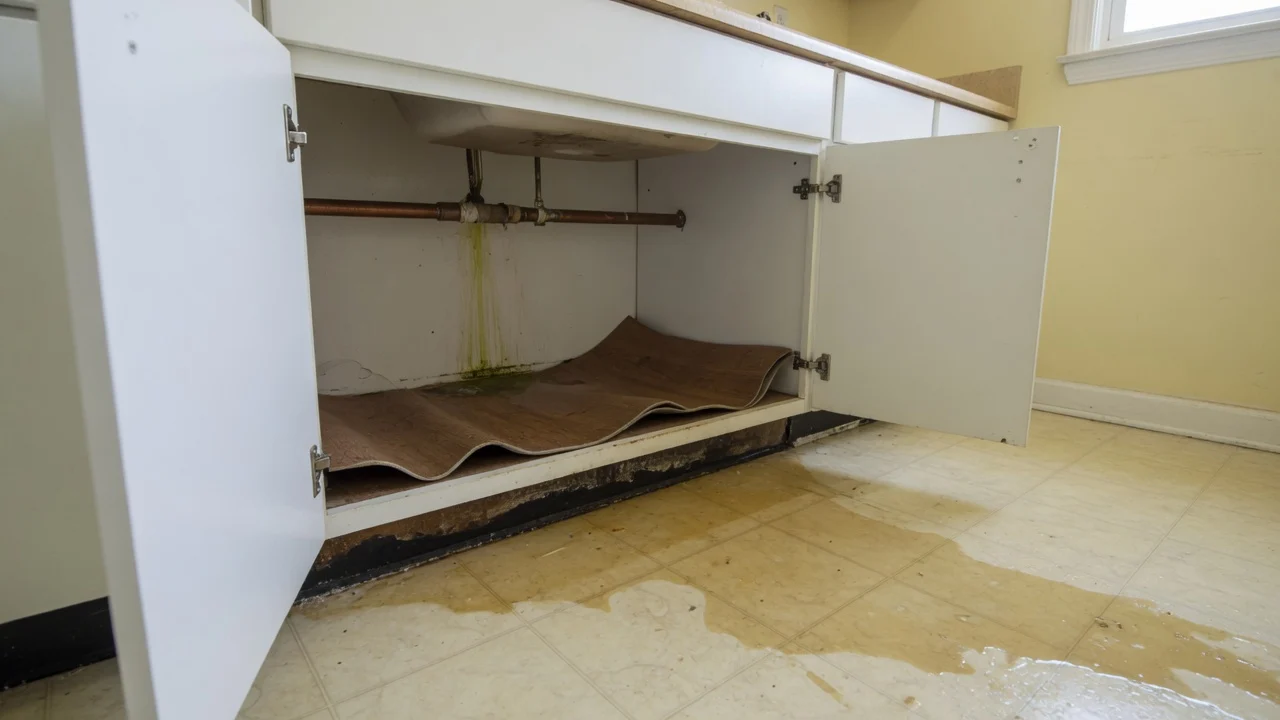
Fast, measured property recovery
When water gets into building materials, the clock starts immediately. Water damage restoration Cincinnati Ohio work is about more than vacuuming up a puddle. It is controlled drying, monitoring, and rebuilding the affected areas so the property is safe to occupy and the damage does not spread.
Our team at Mold Removal Cincinnati handles water damage restoration in Cincinnati for homes and commercial spaces. You get a written scope, documented moisture readings, and a practical sequence: remove water, dry the structure, clean and disinfect where needed, then repair or coordinate repairs. If you are also dealing with odor or microbial growth concerns after the loss, our Cincinnati mold remediation team can guide the next step after the space is dry.
Typical causes we respond to include:
If you are not sure whether you need full restoration or just drying, we can inspect the affected area and explain what the moisture data shows and what can realistically be saved.
Inspection, drying and restoration scope
We locate wet materials with moisture meters and thermal imaging and track progress with daily (or scheduled) readings so drying decisions are based on data.
If water has contacted unsanitary sources or there is visible growth, we can isolate areas to reduce cross-contamination while drying and cleanup are underway.
High-CFM air movers, commercial dehumidifiers, and targeted extraction are selected based on the materials involved, including hardwood, carpet, drywall and masonry.
We document conditions, affected areas, and drying results. This helps keep the project organized and supports insurance conversations when applicable.
After the structure is dry, we can address removal of damaged finishes and outline the repair scope needed to return the space to normal use.
From extraction through repair planning
Every loss is different, but the workflow stays consistent because it is built around drying science and material behavior.
We identify the source, check for electrical and slip hazards, and classify the water type—clean, gray, or black—because that changes cleaning and disposal requirements.
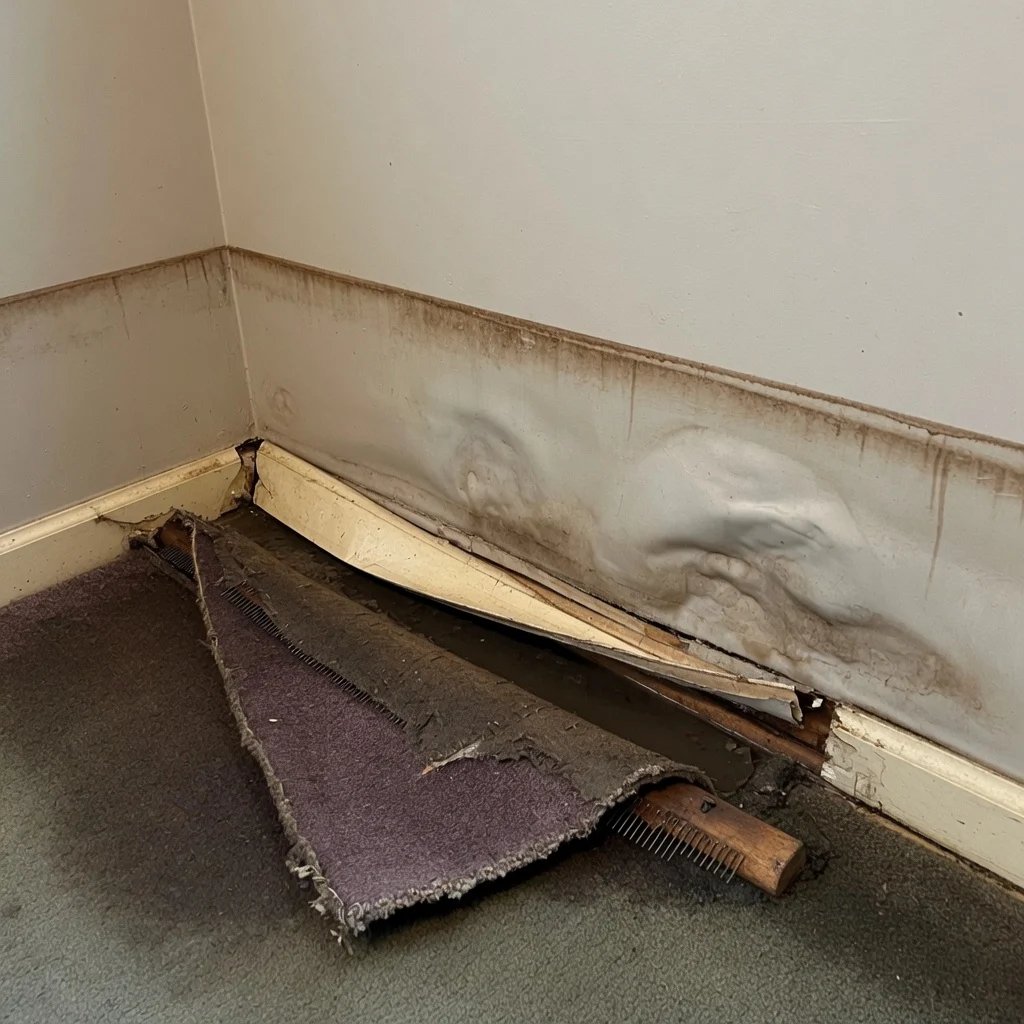
Standing water is removed first because it accelerates swelling, warping, and wicking into walls. In finished basements and lower levels common around Cincinnati, water can migrate under flooring and into baseboards quickly.
We set airflow and dehumidification targets for the space. Drywall, framing, and subfloors dry at different rates, so we focus on the slowest materials.
We revisit readings and adjust equipment placement as conditions change. Proper drying is measured, not assumed.
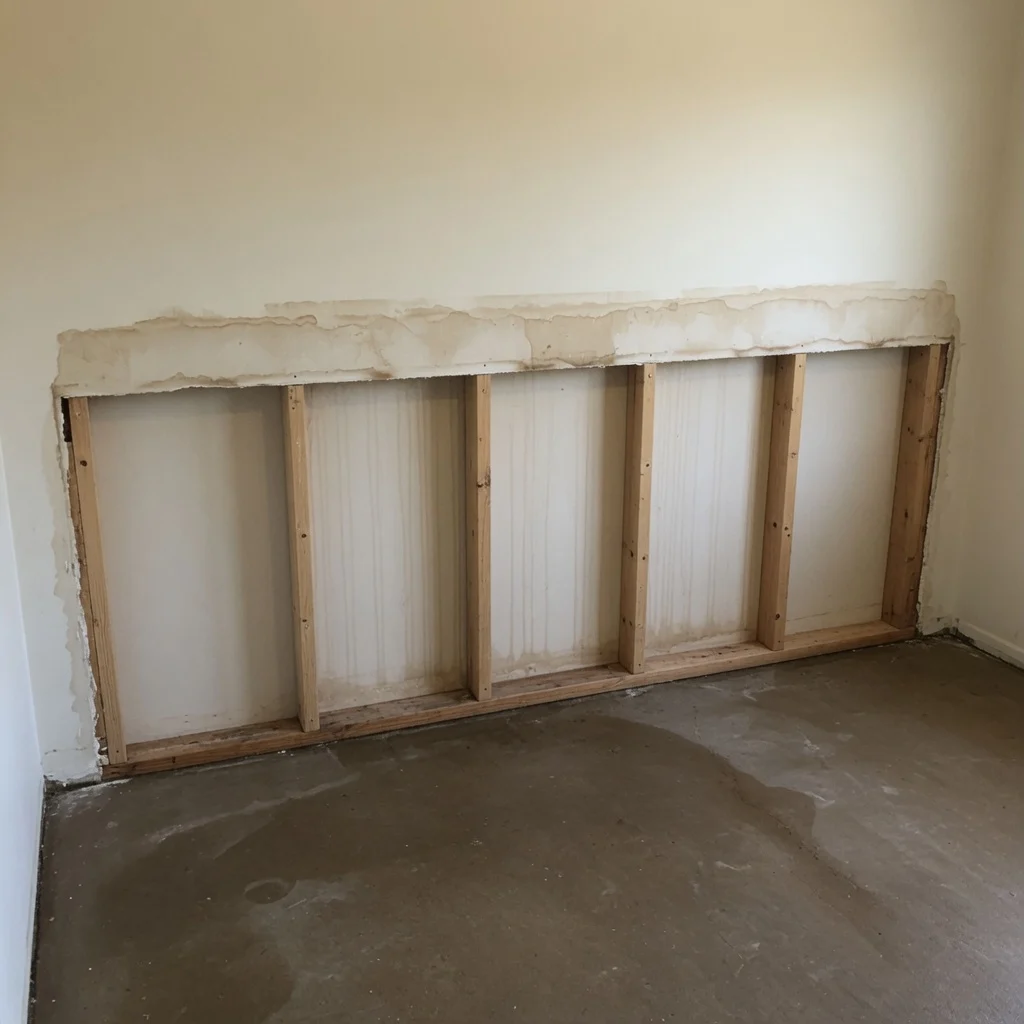
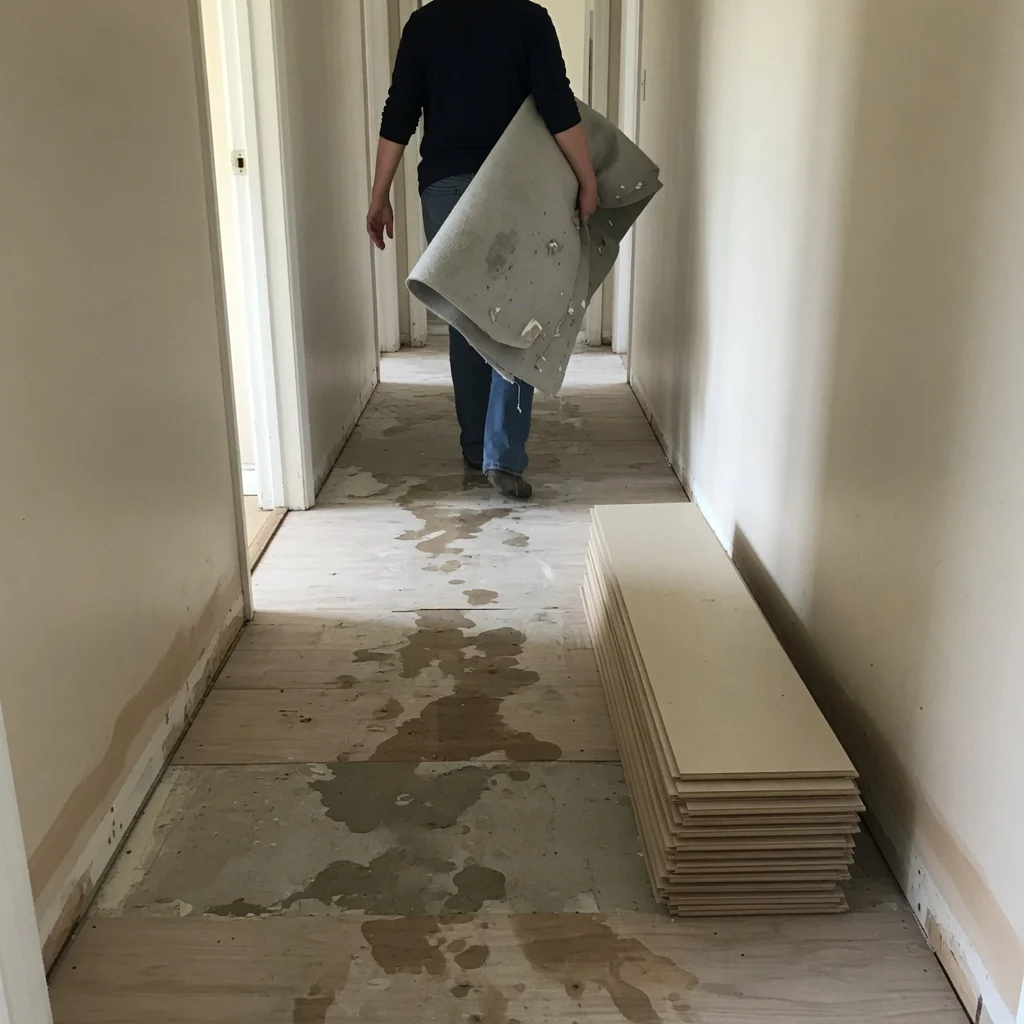
When materials cannot be safely dried, or when contamination is present, we remove and dispose of them properly, then clean and disinfect affected surfaces.
Once moisture levels return to acceptable ranges, we outline the rebuild scope—drywall, trim, flooring and paint—and the order of work so repairs do not trap moisture behind finishes.
Safe steps before help arrives
If you are waiting for help to arrive, a few safe steps can limit damage.
Cincinnati's humidity can slow drying if the space is left wet, especially in summer. The sooner extraction and dehumidification start, the better the odds of saving flooring, trim, and drywall.
Cincinnati restoration pricing
Water damage restoration in Cincinnati typically ranges from about $1,200 to $6,500+, with small, clean-water dry-outs at the low end and multi-room losses with demolition and rebuild at the high end. A single-room extraction and drying setup is often $1,200 to $2,800, while basement flooding or widespread saturation commonly runs $3,000 to $6,500+.
Final cost depends on the amount of water, how long materials stayed wet, the water category (clean vs contaminated), how many days drying equipment is needed, and what must be removed (pad, drywall, cabinetry, insulation). The exact scope and pricing are confirmed after an on-site inspection and moisture mapping.
Professional equipment and careful handling
Practical answers after a water loss
In many situations we can start the same day, and we prioritize active leaks, standing water, and occupied homes or open businesses. The first visit focuses on stopping ongoing damage, extracting water, and setting drying equipment so materials do not keep wicking moisture.
Most structural drying takes 3 to 5 days, but timelines vary with the amount of water, humidity, and how many layers were affected (pad, subfloor, drywall, insulation). We track progress with moisture readings and adjust the drying setup instead of relying on a fixed number of days.
Sometimes, yes, especially when extraction and dehumidification start quickly and the water is clean. Hardwood can cup or crown as it dries, and cabinets can swell at toe-kicks and end panels, so we evaluate moisture levels and material condition before recommending removal or drying in place.
Clean water is from a sanitary source like a supply line, while contaminated water includes sewage backups or water that has passed through dirty materials. The category affects what can be cleaned and dried versus what must be removed, along with the disinfecting steps needed to make the space safe again.
Often you can stay home if the affected area is limited and utilities are safe, but it depends on the extent of the loss and whether containment is needed. If drying equipment is running, expect noise and warm air movement, and we will tell you which rooms to avoid.
Yes. We provide documentation of affected areas, moisture readings, and the scope of work so the claim process has clear, consistent information. Coverage depends on your policy and the cause of loss, but good documentation helps keep decisions straightforward.
We serve Cincinnati and nearby communities, including older housing areas where plaster walls, layered flooring, and tight wall cavities can hold moisture longer. If you are unsure whether your address is within our service range, send the location and a brief description of what happened and we will confirm next steps.
Tell us what happened and where the water is showing up. We will schedule an inspection, explain what can be dried versus removed, and provide a clear scope for restoration and repairs.