✓
Rapid water removal
Extraction of standing water with professional pumps and extractors, followed by targeted removal of trapped water in carpet pad and low areas.
Serving Cincinnati, Ohio & surrounding areas
When water gets into floors, drywall, or framing, the clock starts. Mold Removal Cincinnati connects you with fast extraction, structural drying and documentation to protect the building.
Call Now 513-951-7257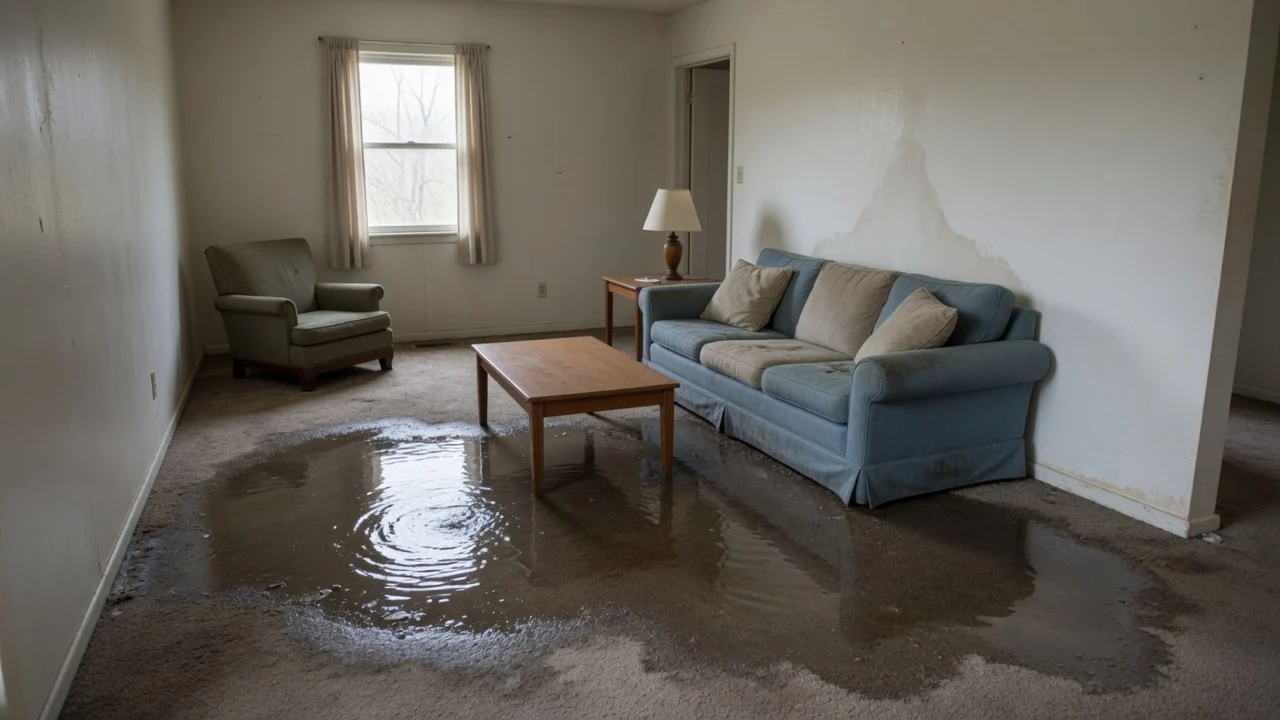
Source control, extraction and drying
If you are dealing with water damage Cincinnati Ohio property owners see after storms, plumbing failures, or appliance leaks, the priorities are simple: stop the source, get standing water out, and start drying the structure before materials swell, warp, or grow mold.
We handle water damage cleanup for homes and businesses across Cincinnati, including basements, slab-on-grade areas, finished spaces, and commercial suites. The work is built around proven drying science: measuring moisture, creating airflow, dehumidifying the air, and removing materials that cannot be dried in place.
Cincinnati brings a few realities that matter during cleanup. Older housing stock and finished basements can hide water in wall cavities and under flooring. Heavy rain and river-valley weather patterns can also lead to sudden seepage and sump pump overload. In any case, the right plan comes from inspection and moisture mapping, not guesswork.
Mold Removal Cincinnati is a local team based in Cincinnati (45217). If you need a clear scope, straightforward communication, and a job that is managed from extraction through dry-out, we can help.
A managed dry-out from start to finish
Extraction of standing water with professional pumps and extractors, followed by targeted removal of trapped water in carpet pad and low areas.
We track moisture in drywall, framing, subfloors, and masonry using meters and readings taken over time, then adjust equipment to hit dry standards.
Air movers and dehumidifiers are placed to dry the wettest materials first, manage humidity, and reduce the chance of secondary damage.
If materials cannot be dried—such as swollen baseboards, saturated drywall, or contaminated carpet pad—we remove only what is required to expose wet assemblies.
We document conditions, readings, and visible damage so you have a clean record for property decisions and insurance conversations.
Find hidden water and control its path
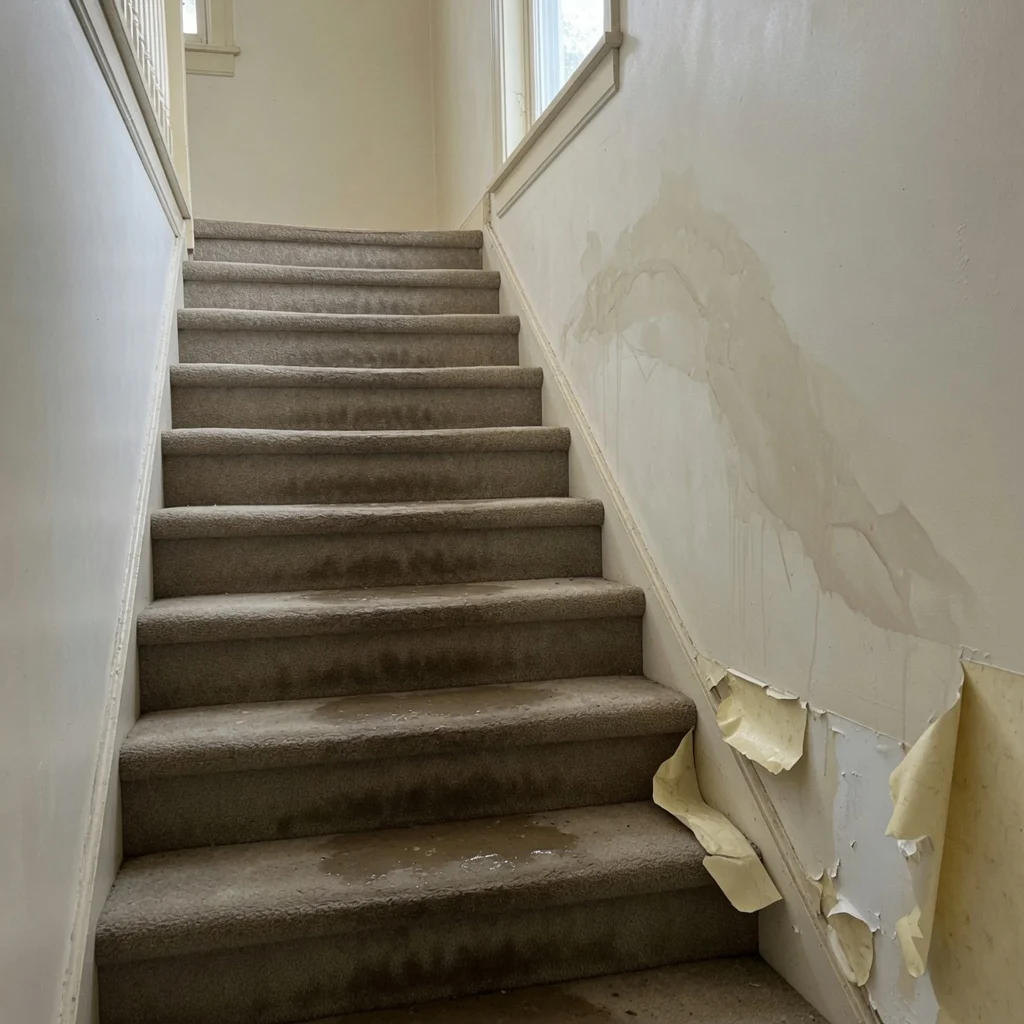
Water rarely stays where you see it. It wicks into drywall from the bottom edge, travels under LVP and tile through seams, and soaks subflooring. In basements, moisture can sit behind finished walls or under floating floors while the surface looks only “damp.”
A proper water damage Cincinnati OH cleanup plan usually includes:
If you are also worried about microbial growth after the dry-out, our team can coordinate the next steps. Some clients start by learning what to watch for and how prevention works through Cincinnati mold remediation so they can make informed decisions if odors or staining show up later.
From source control to dry verification
We confirm the water is stopped and look for electrical, slip, and contamination risks. If the source is active, drying cannot start correctly.
We identify what is wet, how far it spread, and what materials are involved. This is where hidden damage is found in wall cavities, under flooring, and around cabinets.
We remove standing water and as much bound water as possible early. Faster removal reduces swelling, delamination, and odor problems.
Air movers and dehumidifiers are set based on the layout and readings. We revisit to log moisture levels and adjust placement as the structure dries.
If affected materials cannot be dried to an acceptable condition, we perform controlled removal to expose wet assemblies and keep the project moving.
When readings indicate the structure is dry, we document completion and outline what is next for repairs, cleaning, and prevention.
Cincinnati cleanup pricing
Most water damage cleanup in Cincinnati typically ranges from about $900 to $4,500+, with small, contained leaks on the low end and multi-room or basement dry-outs with material removal on the high end. A simple extraction and dry-down is often less than a project that includes removing wet drywall, insulation, or flooring.
Final cost depends on the size of the affected area, water category (clean vs contaminated), how long materials stayed wet, accessibility (finished basement walls, tight crawlspaces), equipment days, and whether selective demolition is required. Exact pricing is confirmed after an on-site inspection and moisture mapping.
Practical answers before cleanup begins
Start water removal and drying as soon as the source is stopped, ideally the same day. Even clean water can soak into drywall, baseboards, and subfloors quickly, and Cincinnati basements can trap humidity that slows drying if equipment is not set early.
Some floors can be dried in place, but it depends on the material and how water got under it. Tile over backer board, glued-down hardwood, and floating floors can trap moisture differently, so we base the decision on moisture readings and whether the assembly can actually vent and dry.
Clean water is typically from a supply line or rain intrusion, while contaminated water can involve sewage or other pathogens and requires a stricter protocol. The category affects what materials can be saved, what protective equipment is needed, and how disposal is handled.
Yes. We provide documentation such as photos, moisture readings, equipment logs, and a written scope so you have clear information to share with your adjuster. Coverage depends on the cause of loss and your policy, but good documentation helps the process stay organized.
If it is safe, stop the water source, turn off electricity to affected areas if water is near outlets, and move small valuables out of wet zones. Avoid running household fans in a way that pushes humid air into other rooms, and avoid tearing into walls without a plan because it can spread debris and complicate drying.
Many dry-outs take about 3 to 5 days, but the timeline depends on what got wet, how saturated it is, temperature, and how enclosed the affected areas are. We track progress with moisture readings so drying time is based on the building's condition, not a guess.
Tell us what happened and what areas are wet. We will triage the situation, explain the next steps, and provide a written plan for water removal and drying so you can protect the property and move forward.