✓
Water extraction and debris removal
Rapid extraction with truck-mount or portable equipment, plus removal of unsalvageable wet materials when needed to expose wet cavities and speed drying.
Serving Cincinnati, Ohio & surrounding areas
When water gets in fast, the right response matters. Mold Removal Cincinnati connects you with help to extract water, set drying equipment, document damage and protect the structure.
Call Now 513-951-7257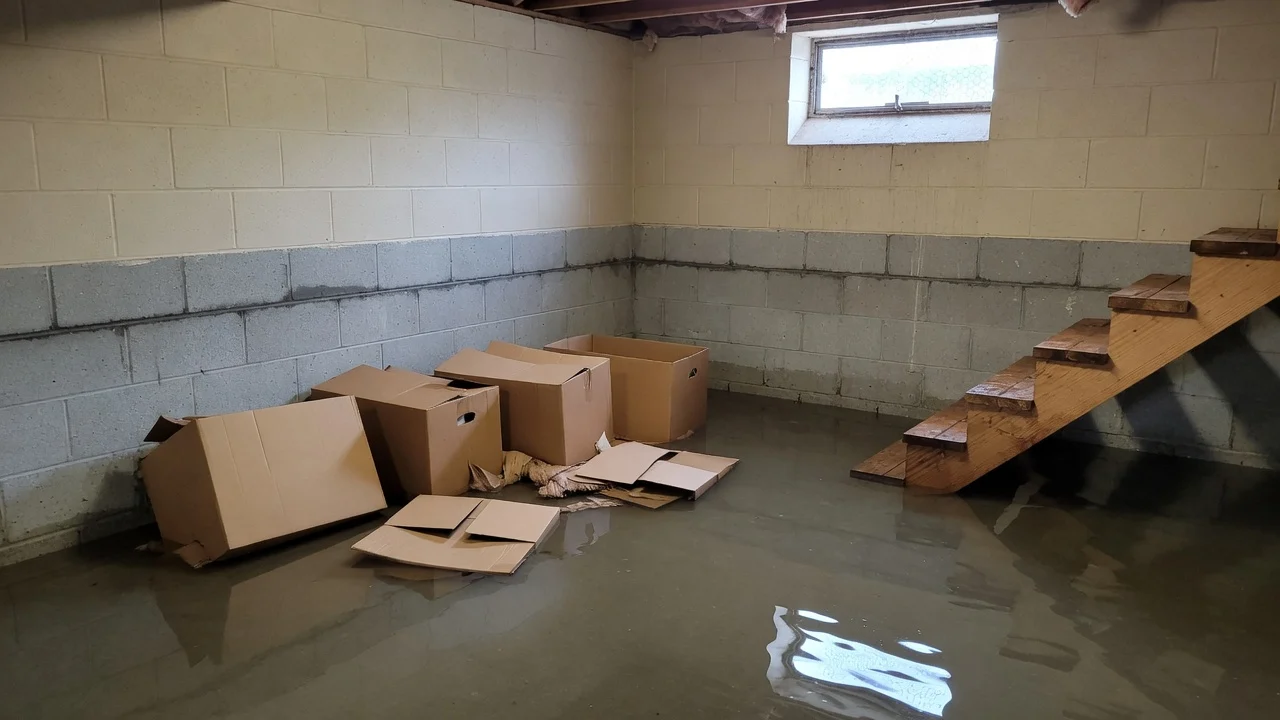
Immediate water-damage response
If you are searching for water restoration Cincinnati Ohio, you likely need two things right now: the water stopped, and the building dried correctly. Water moves through flooring, baseboards, and wall cavities quickly. The longer moisture stays trapped, the higher the risk of swelling wood, delamination, stained drywall, corrosion, and odor.
Our water restoration work in Cincinnati focuses on immediate water extraction, controlled structural drying, and clear documentation of what was affected. You will get a straightforward plan that explains what needs to be removed—and what can be saved—how drying will be measured, and what milestones determine when equipment can come out.
We work across the city, including older housing stock where water can spread into layered assemblies. In neighborhoods with many pre-war homes, like Hyde Park and Oakley, plaster walls and older trim details can complicate drying decisions. In areas with many basements and split-levels, like Westwood, water often shows up first at floor drains and lower-level finished rooms. Downtown and Over-the-Rhine properties may add access and parking constraints that affect equipment staging and daily checks. In East Price Hill and other hillside areas, storm runoff can reach basements through window wells and foundation penetrations.
If you need help after a burst supply line, failed appliance hose, sump issue, or heavy rain, we can triage the damage, start drying, and help you make informed choices about repairs and insurance.
Inspection and restoration scope
Rapid extraction with truck-mount or portable equipment, plus removal of unsalvageable wet materials when needed to expose wet cavities and speed drying.
We check materials with moisture meters and document readings so drying decisions are based on measurements, not guesswork.
Air movers and dehumidifiers are placed to control evaporation and lower indoor humidity without overdrying or creating new problems.
If drywall, insulation, or flooring cannot dry safely, we remove only what is necessary to reach wet areas and prevent hidden moisture.
We provide photos, notes, and a clear scope of work that helps support a claim and reduces back-and-forth during the process.
For gray or contaminated water situations, we can clean and treat affected surfaces after removal and drying steps are underway.
Measured structural drying
Standing water is obvious. What causes the expensive surprises is moisture that wicks into materials and stays there. Cincinnati's humid summer days can slow evaporation if drying is not set up correctly, and basements often need careful dehumidification to avoid persistent damp odors.
A professional Cincinnati water restoration approach uses measurement and airflow principles. We identify the wet materials, decide which ones can realistically be dried in place, and then set up equipment to move moisture out of assemblies. That might include targeted airflow along baseboards, controlled temperature, and dehumidification sized to the space.
We also watch for secondary issues like condensation, high indoor relative humidity, or wet insulation that keeps walls damp even when the surface feels dry.
If the water source was clean—for example, a supply line break—the focus is usually fast drying and selective removal. If the water was affected by outside runoff or a backup, sanitation and disposal decisions become more conservative.
When customers ask what makes one Cincinnati water restoration company different from another, the best answer is simple: measurements, documentation, and a drying plan that matches the building materials. That is what protects your framing, subfloor, and indoor air quality over the weeks that follow.
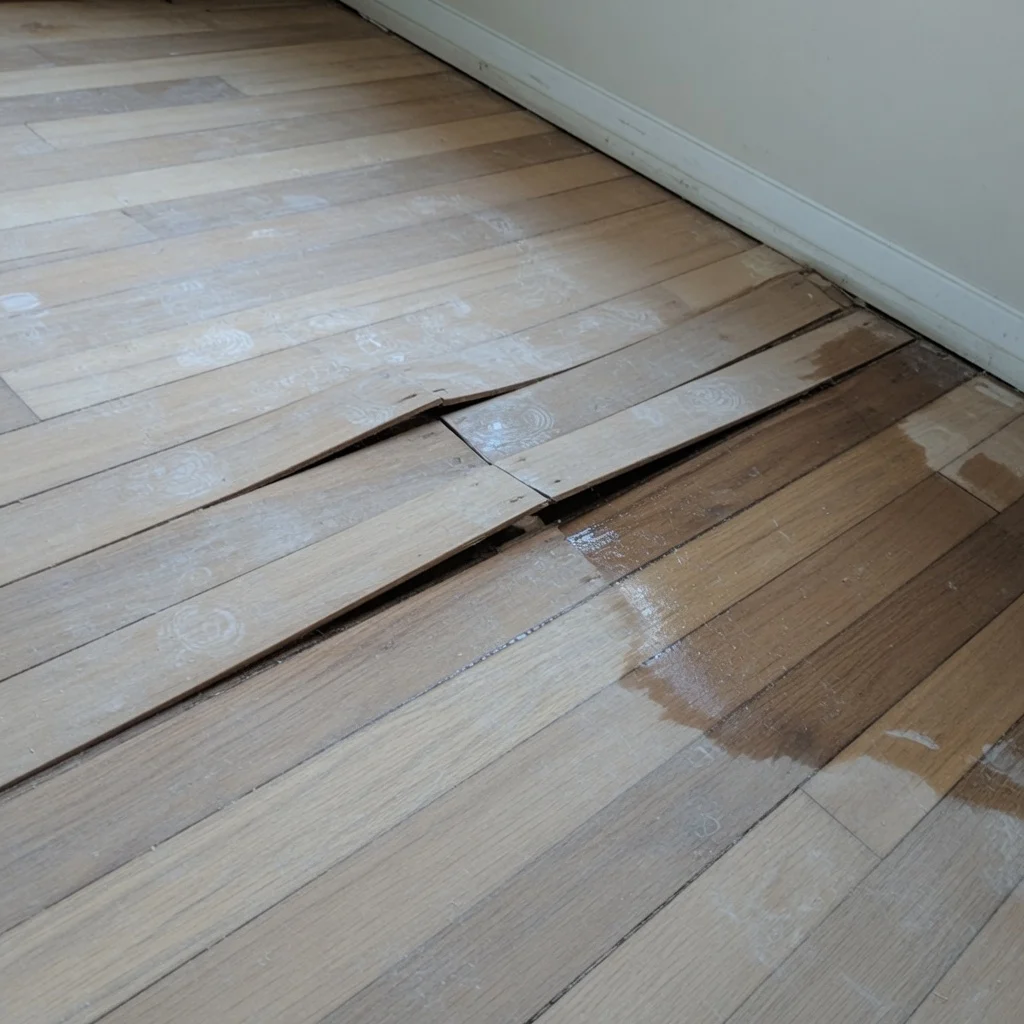
From water loss to verified drying
We confirm the water source is stopped and check for basic safety issues such as electrical exposure, slippery surfaces, and ceiling saturation.
We document affected rooms, identify likely water migration paths, and take initial moisture readings in floors, walls, and trim.
We remove standing water and, if needed, cut out wet drywall, pull baseboards, or lift flooring where drying cannot happen effectively in place.
We place air movers and dehumidifiers based on the materials and the size of the affected area, then establish a target drying strategy.
We monitor moisture levels and humidity, adjust equipment placement, and document progress so you know what is happening each day.
When readings show materials have returned to an appropriate dry condition, we remove equipment and provide closing documentation for your records.
Cincinnati pricing guidance
Water restoration in Cincinnati typically ranges from about $1,200 to $6,500+, depending on how far the water spread and what materials have to be removed and dried. A small clean-water leak limited to one room is often near the low end, while multi-room or basement events that require demolition, extended drying days, and contents handling push costs higher.
Your final price depends on category of water—clean versus contaminated—affected square footage, access, the number of drying days, and whether drywall, insulation, or flooring must be removed. The exact scope and cost are confirmed after an on-site inspection and moisture mapping.
If your property has wet floors, swelling baseboards, or a damp smell after a leak or storm, get a written scope and a drying plan before damage spreads behind walls.
Call Now 513-951-7257Practical answers
In many situations we can start the same day, and the goal is to begin extraction and drying as soon as access is available and the water source is stopped. Early action matters because moisture can migrate into drywall, subfloors, and cabinets within hours, especially in basements and lower levels common around Cincinnati.
Most drying projects take about 3 to 5 days, but the timeline depends on material type and how wet the assemblies are. Dense materials like plaster, hardwood, and layered subfloors can take longer, and we base equipment removal on moisture readings rather than a fixed calendar.
Not always, but removal is common when drywall is saturated at the bottom edge, insulation is wet, or moisture is trapped in wall cavities. We try to keep demolition limited to what is necessary to expose wet areas and achieve verified drying.
A flooded basement can often be restored, but the right approach depends on what got wet and what kind of water it was. Finished basements with carpet pad, base trim, and drywall typically need more removal than bare concrete basements because those materials hold moisture and can trap it behind walls.
Yes, we can provide photos, moisture readings, and a clear scope of work to support an insurance claim. Coverage depends on your policy and the cause of loss, so we document conditions carefully and keep the work tied to measurable drying and necessary removal.
If microbial growth is present or suspected, the water restoration plan should include containment and appropriate cleaning or removal steps so it does not spread during drying. Some situations require a dedicated response; our team also handles Cincinnati mold remediation when water damage leads to mold concerns.
Tell us what happened and what areas are wet. We will schedule an on-site inspection, map the moisture, and lay out the drying steps and documentation you need to move forward with confidence.